Permeable Paver Installation in Augusta, GA — Commercial & Mechanical PICP
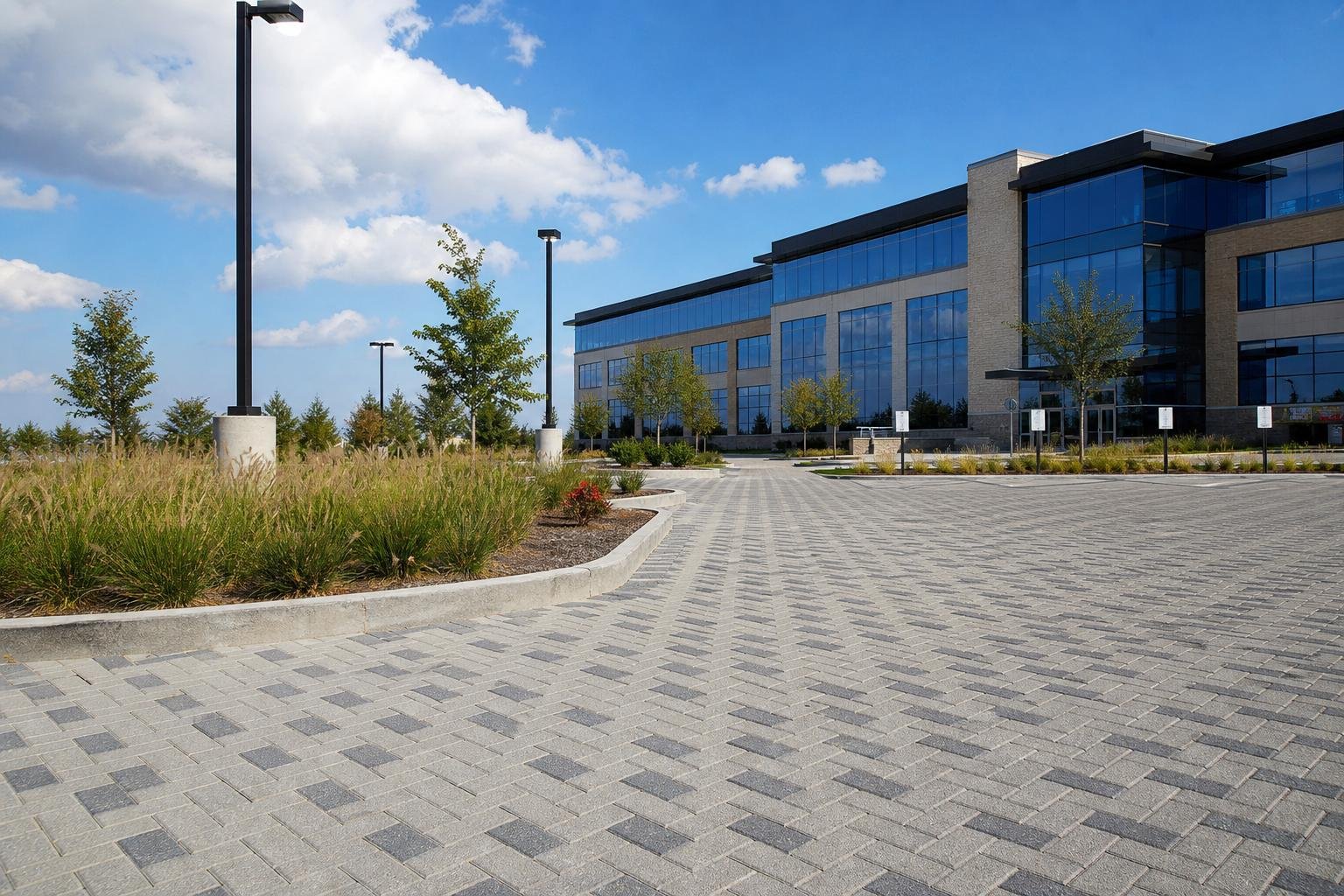
Augusta’s MS4 program requires new commercial development to manage stormwater under the Georgia Stormwater Management Manual. Permeable pavers handle runoff reduction and water-quality treatment in a single surface, with no separate pond required.
Since 1993, Smarter Scapes LLC has been Nashville’s leading hardscaping contractor. We bring that same expertise to Augusta — mechanical permeable paver installation for commercial parking lots, plazas, fire lanes, loading docks, sidewalks, and driveways.
Call (615) 205-8166 for a free consultation or book a Discovery Call online.
Book Your Free Commercial Site Visit →
Why Augusta Needs Permeable Pavers
Augusta-Richmond County’s continued commercial growth adds impervious cover across the Savannah River basin, and the city’s MS4 program requires post-construction stormwater controls on new sites. Permeable interlocking concrete pavement (PICP) infiltrates runoff where it lands, reducing both volume and pollutant load while preserving buildable, parkable land.
Augusta, GA Stormwater Regulations
Augusta operates a Phase I MS4 program under Georgia EPD and requires new development to follow the Georgia Stormwater Management Manual (GSMM, 2016 Edition) along with Augusta’s stormwater and credit manuals and its GI/LID program. Under the GSMM, permeable pavement is recognized as a runoff-reduction and treatment practice. Confirm current thresholds, GSMM design criteria, and any credit provisions with the Augusta stormwater office before final design.
Commercial PICP — Built Mechanically, Built to Last
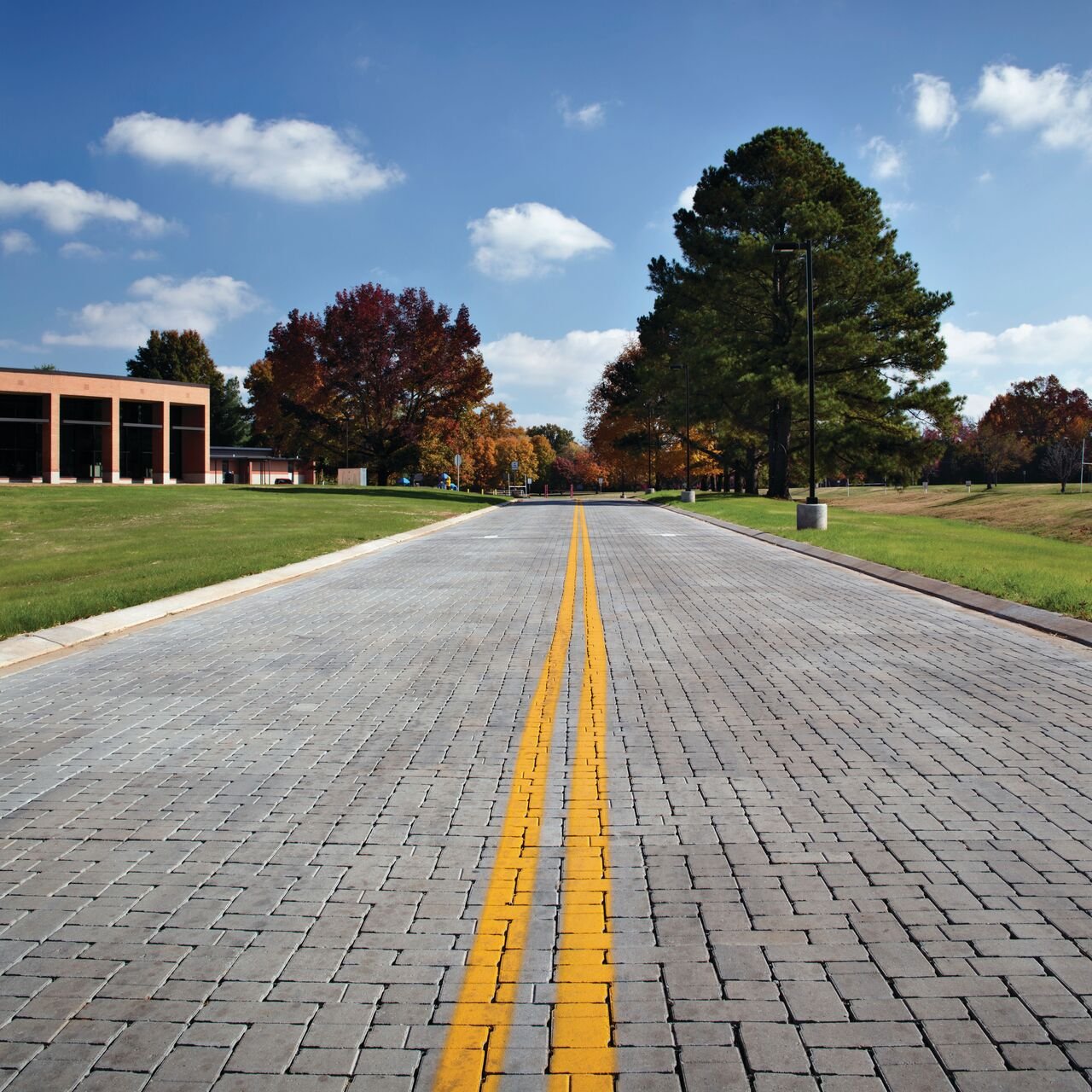
We install permeable pavers mechanically, not by hand — laying thousands of square feet per day with machine-tight joints over a properly graded open-graded aggregate base. That means faster installs, a stronger load-rated surface for parking and fire lanes, and a system engineered to infiltrate for decades with simple vacuum maintenance.
- Commercial parking lots, plazas & courtyards
- Fire lanes & emergency access
- Loading docks & service drives
- Sidewalks, walkways & ADA routes
The ROI of Permeable Pavers
Permeable pavement often pays for itself by recovering land you would otherwise lose to detention basins and underground vaults, putting more of your site back into parking or building area. Add lower stormwater-utility exposure, reduced heat island, and a 25+ year design life, and the lifecycle cost frequently beats conventional asphalt-plus-detention.
Get a Free Augusta Permeable Paver Quote
Planning a commercial project in Augusta or the surrounding area? Call (615) 205-8166 or book a free Discovery Call and we will review the local stormwater requirements and give you a real number.
Permeable Pavers Across the Southeast
Smarter Scapes installs commercial permeable pavers throughout the region. Explore our service areas:
- Permeable Pavers Savannah GA
- Permeable Pavers Greenville SC
- Permeable Pavers Greensboro NC
- Permeable Pavers Raleigh NC
- Permeable Pavers Columbia TN
- Permeable Pavers Nashville TN
- Permeable Pavers Murfreesboro TN
- Permeable Pavers Memphis TN
- Permeable Pavers Louisville KY
- Permeable Pavers Lexington KY
- Permeable Pavers Knoxville TN
- Permeable Pavers Huntsville AL
- Permeable Pavers Franklin TN
- Permeable Pavers Clarksville TN
- Permeable Pavers Chattanooga TN
- Permeable Pavers Charlotte NC
- Permeable Pavers Bowling Green KY
- Permeable Pavers Birmingham AL
- Permeable Pavers Atlanta GA
- Permeable Pavers Asheville NC
Commercial Permeable Paver FAQs
Do permeable pavers work for commercial parking lots?
Yes. Permeable interlocking concrete pavement (PICP) is engineered for vehicular loads and is widely used for commercial parking lots, fire lanes, and loading areas, while letting stormwater infiltrate through the joints into an open-graded aggregate base.
Are permeable pavers more expensive than asphalt?
The pavers can cost more up front, but permeable pavement often lowers total project cost by reducing or eliminating separate detention ponds and storm drainage, recovering buildable land, and lasting far longer than asphalt with lower lifecycle cost.
How much maintenance do permeable pavers need?
Routine maintenance is periodic vacuum sweeping, typically once or twice a year, to keep the joints clear so water keeps infiltrating. With proper care a PICP system performs for decades.
How long do permeable pavers last?
A properly installed commercial PICP system is typically designed for a 25+ year service life, and individual pavers can be lifted and reset rather than torn out, which makes repairs straightforward.